Constraining Tropical Climate Variability Using Coral Skeletal Geochemistry

As a coral grows, the conditions of the surrounding seawater are encoded into its skeletal chemistry. However, the coral acts as a sort of 'filter' between the environmental data we want and the somewhat 'noisy' signal we measure. How can we best extract the climate signal encoded in these valuable archives? Check out these stories from the Carolina Coastal Review and the University of Maryland Center for Environmental Science to learn more!
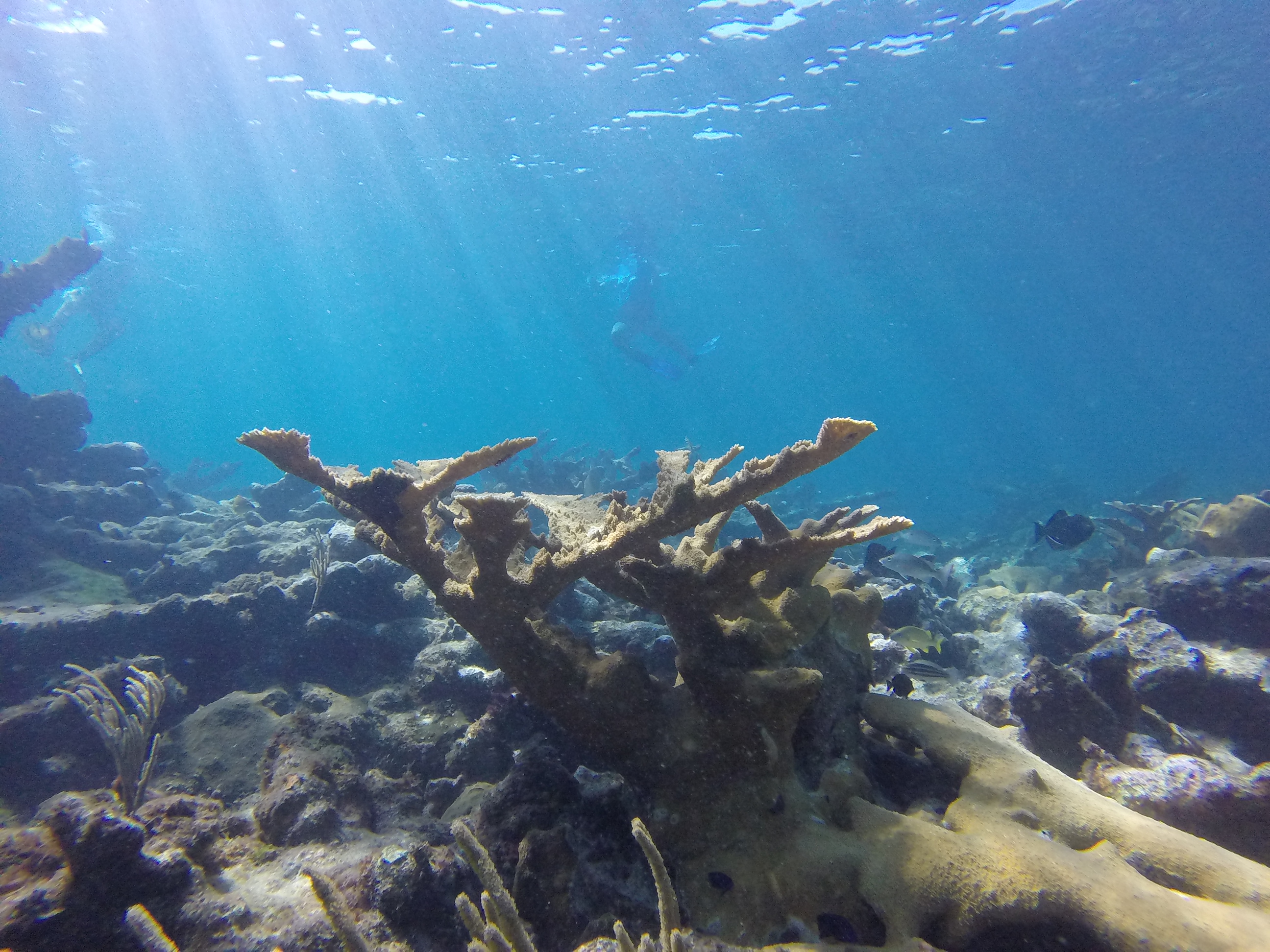
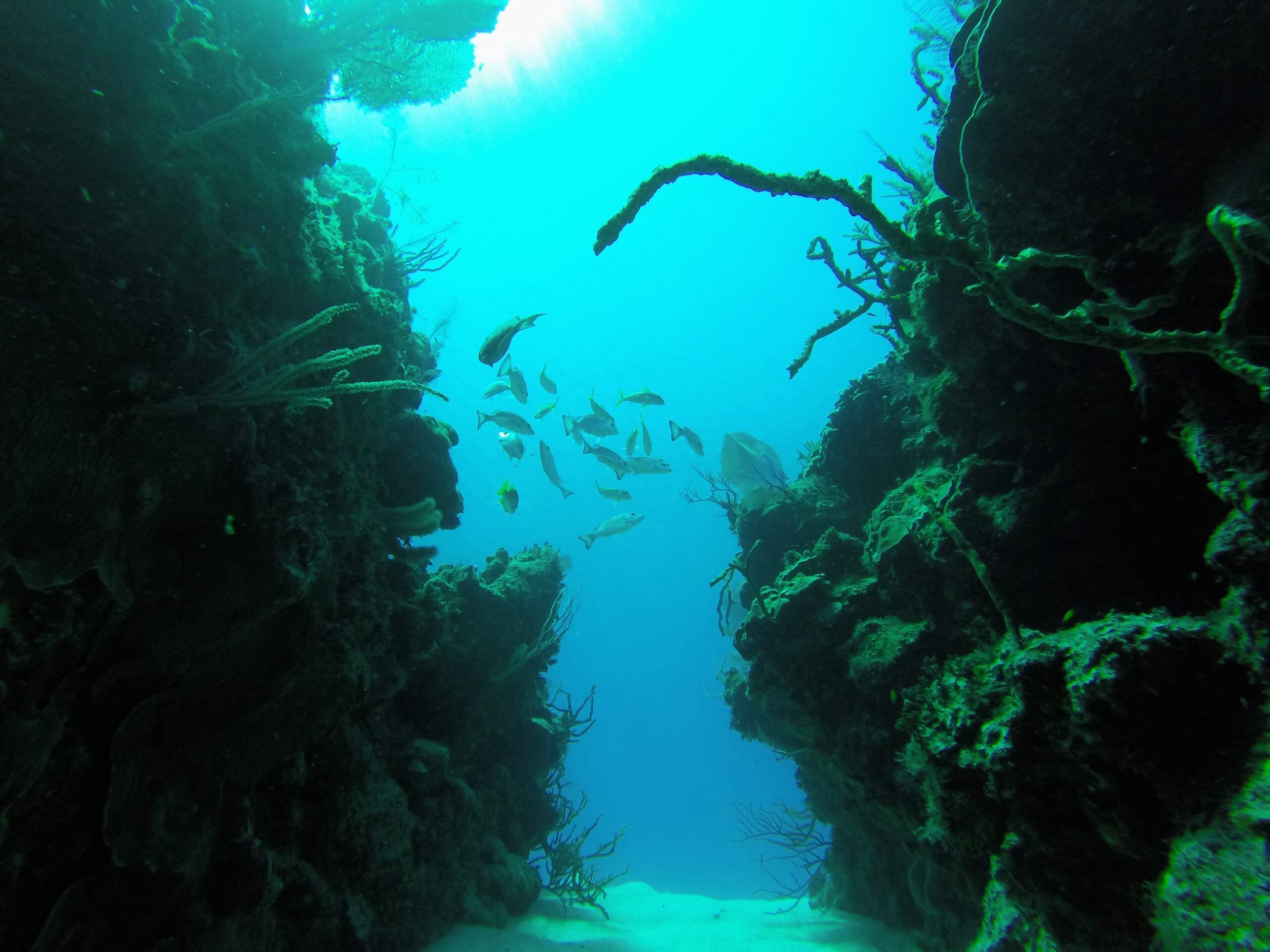
An Elkhorn coral from Little Cayman, Cayman Islands. Image Credit: Hunter Hughes.
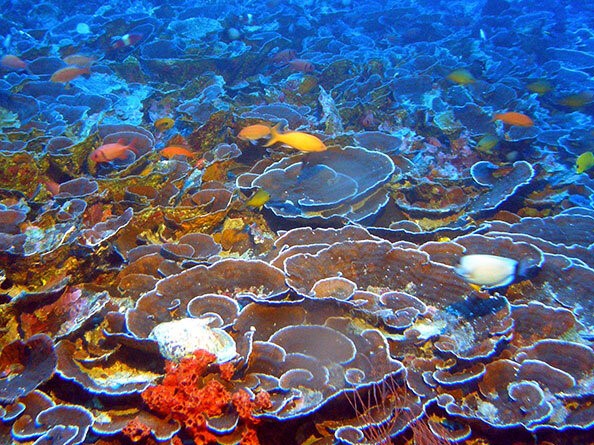
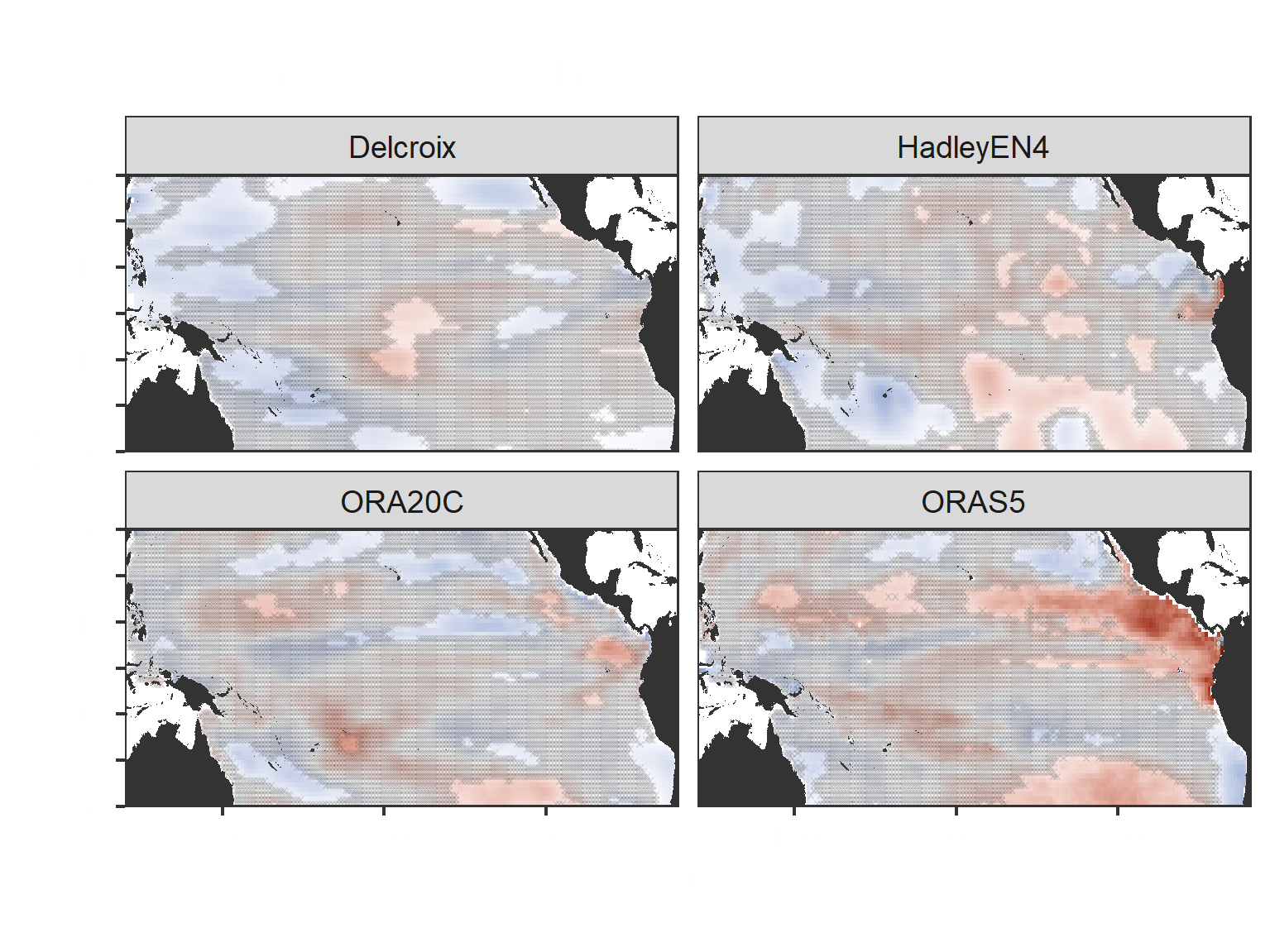
Changes in sea surface salinity across the tropical Pacific according to four salinity reanalysis products (unpublished data).

Climate Analyses Using Global Reanalysis Products

Using a combination of climate models, in situ observations, and remote sensing data, Global Reanalysis Products are cutting edge tools for retroactive climate analyses. But different products don't always agree on important climate variables like sea surface salinity. How can we most effectively integrate climate information obtained from coral skeletons (and other climate archives) with these powerful big-data products?

Science Communication and Outreach

I'm passionate about reaching broad audiences on the importance of coral reef ecosystems and how they can help us understand Earth's climate. Check out some of these writing samples to learn more!

Caring for Coral Reefs Comes Naturally

Coral reefs need us, no matter where you live. Here are some things they’re doing for you, so that you can do some things for them!

Looking to the Future: Perspectives from the Next Generation of Coral Scientists

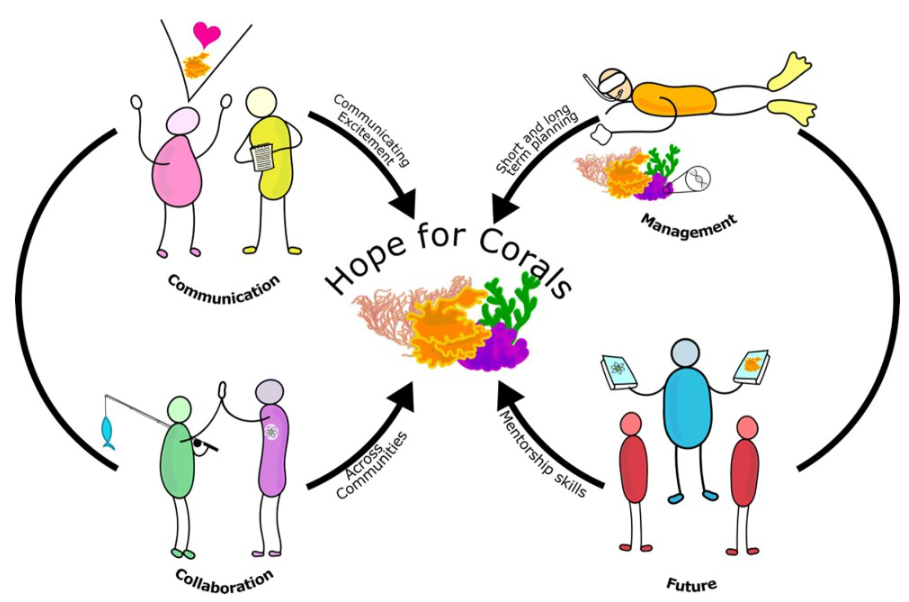
A group of young coral reef scientists reflect on the challenges and opportunities facing the next generation of researchers (Image Credit: Cziesielski et al., 2021).

How Coral Reefs 'Escape' Climate Change

Despite the dire state of today’s coral reefs, they’ve managed to survive through some of Earth’s most extreme climates of the past. How did they do this, and what implications does it have for their future?

Interested in reaching out?

Email: hphughes@email.unc.edu
Twitter: @HPHughesCraft
Find me on Google Scholar